In three layers. Document-level parsing runs first; third-party pulls (Open Banking, CIFAS, HMRC RTI) run second; manual or fraud-team escalation handles the rest. The framework rests on FCA MCOB 11.6[1], which requires evidenced rather than declared income.
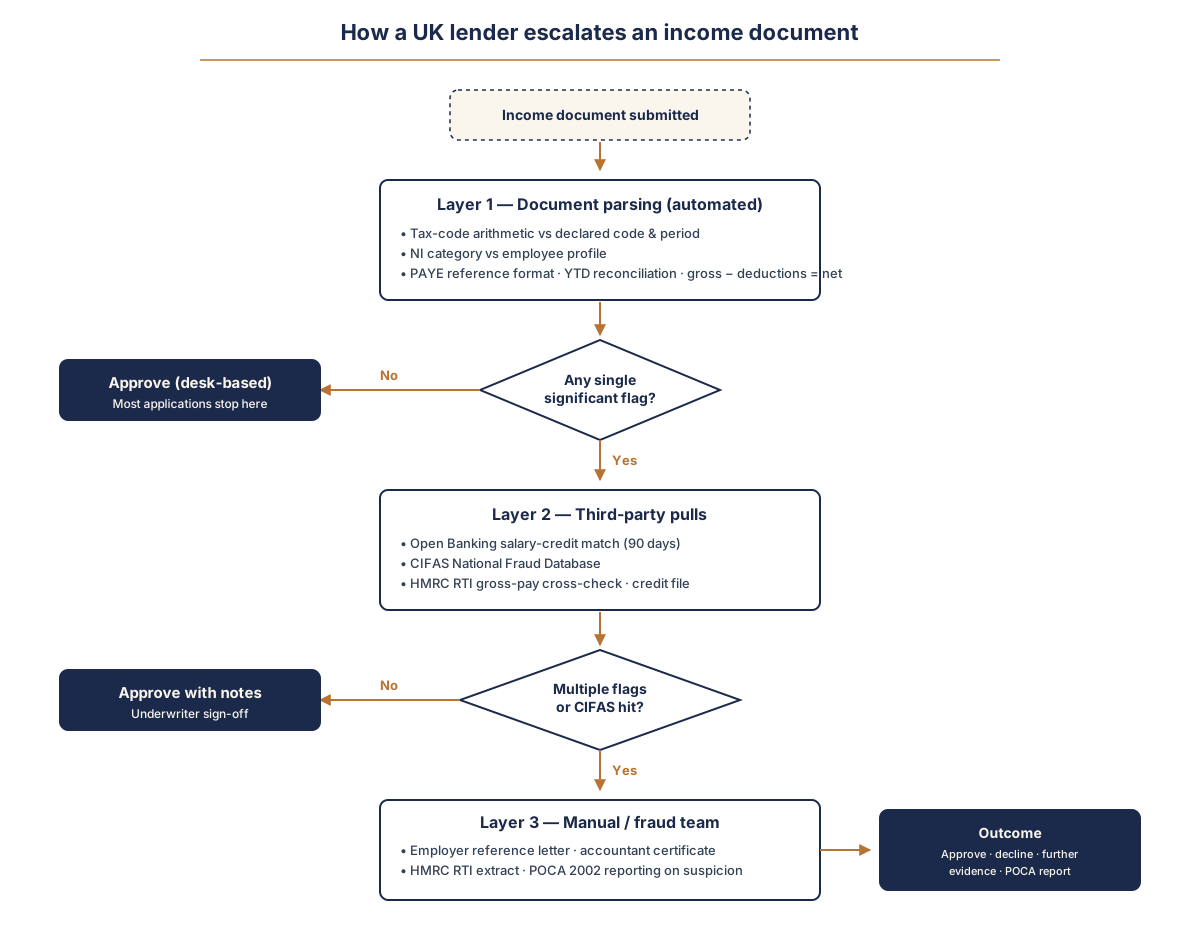
The three verification layers
| Layer | What gets checked | Triggers the next layer |
|---|---|---|
| 1. Document parsing | Tax-code arithmetic, NI category vs employee profile, PAYE reference format[5], YTD cumulatives reconciled to period figures, gross minus deductions equals net to the penny | Any single significant flag |
| 2. Third-party pulls | Open Banking[2] salary-credit match (90 days), CIFAS National Fraud Database[3], HMRC RTI gross-pay cross-check, credit file | Multiple flags or any CIFAS hit |
| 3. Manual / fraud team | Employer reference letter, accountant certificate, HMRC RTI extract, Proceeds of Crime Act 2002 reporting on suspicion of fraud | Outcome: approve, decline, request further evidence, or POCA report |
What about rental income on Buy-to-Let cases?
A parallel three-layer treatment. Rent receipts get parsed for consistency, matched to bank-statement credits from the named tenant, and cross-checked against the SA302 where rental income is declared. HMRC runs the Let Property Campaign[4], a disclosure facility for landlords who failed to declare in earlier years. Declaring £30,000 of gross rents to the broker while showing £15,000 on the tax return triggers a fraud-team referral.
What does this mean for legitimate applicants?
Three things. Submitted documents must reconcile to what HMRC already holds: gross, tax code, NI category, period dates, YTD cumulatives. Bring supporting evidence with the application: P60 alongside payslips, SA302 if self-employed, an accountant letter for unusual income structures. The seven red flags article details the patterns Layer 1 catches most often. The payslip-for-mortgage workflow on payslipmaker.uk generates a document that reproduces an employer-issued payslip where a legitimate one has been lost; the underlying figures still must match HMRC RTI.
Primary sources
- 1.FCA Mortgages and Home Finance: Conduct of Business sourcebook (MCOB) — Affordability rules requiring evidenced rather than declared income
- 2.Open Banking Implementation Entity standards — Account Information Service standards used by mortgage lenders for transaction matching
- 3.CIFAS — the UK fraud prevention service — National Fraud Database checks run as part of mortgage underwriting
- 4.Let Property Campaign — gov.uk — HMRC disclosure facility for undeclared rental income
- 5.PAYE reference numbers — HMRC employer guide — Employer reference format and PAYE record structure
- 6.FCA Mortgages Market Study Final Report (MS16/2.3) — Verification practices across UK mortgage lenders
Editorial process: how we source and review UK tax content.